The Hidden Dangers Behind a Simple Replacement: Why Hiring a Plumber Is the Safer Choice
When a Water Heater Installation Puts More Than Hot Water at Risk
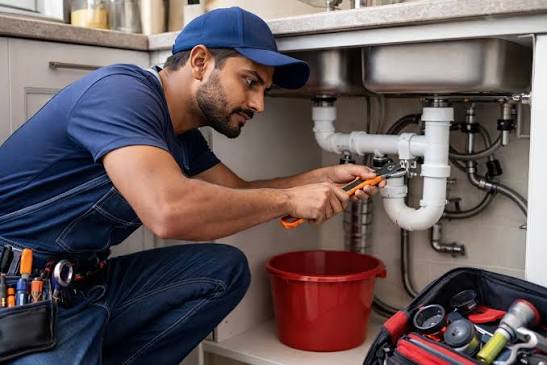
Few home projects feel more rewarding than fixing something without calling for help. A new water heater, especially one that resembles the old model, can make the job seem almost too simple to justify professional assistance. Yet swapping the equipment involves much more than tightening a couple of pipes. Hiring a qualified Plumber means having someone evaluate connections, safety devices, and installation requirements that are easy to miss in an online tutorial. The real danger is not always an obvious disaster on installation day. Sometimes it is a small mistake that sits unnoticed beside the laundry room until it becomes a serious problem.
Gas-powered water heaters bring particular concerns. A poorly made fuel connection can leak, while incorrect venting can allow dangerous combustion gases, including carbon monoxide, to accumulate indoors. Even an appliance that appears to heat water normally may have an unsafe exhaust arrangement. Electric models have their own hazards, from unsuitable wiring to connections that overheat. Turning off a breaker or gas valve does not automatically make someone prepared to modify these systems. Proper installation calls for knowledge of equipment specifications, safe testing procedures, and when licensed electrical or gas specialists need to be involved. That is not the kind of experience a quick weekend project can replace.
Water pressure is another detail that rarely gets the attention it deserves. Water expands as it heats, and systems need appropriate protections to manage temperature and pressure safely. The temperature and pressure relief valve, its discharge piping, and any required expansion control must be installed correctly. Getting these details wrong can create hazardous conditions, even when every faucet delivers hot water. Then there are ordinary leaks. A connection that drips only occasionally may soak cabinets, flooring, or wall cavities before anyone notices. The apparent savings from doing the work yourself can disappear quickly when damage repairs become part of the bill.
Paperwork might feel like the least exciting part of replacing an appliance, but permits and inspections exist for a reason. Requirements vary by location and by whether the unit uses electricity or gas. A replacement may also reveal outdated venting, inadequate clearances, or supply connections that no longer meet applicable standards. These are issues worth identifying before the new equipment is put into service. Professional installers can explain the scope of work, applicable approvals, and the manufacturer’s installation instructions. They should also check performance after installation and show the homeowner where important controls are located. Good service includes those explanations, not merely a tank that switches on.
Naturally, cost matters. It makes sense to compare estimates and ask what is included, from removal of the old unit to testing and disposal. But an unusually low DIY budget can leave out tools, safety components, corrective work, and the value of experienced judgment. Before choosing a replacement, a homeowner can ask a licensed Plumber about capacity, expected operating costs, maintenance, and any changes the home requires. The goal is not to make a familiar household appliance seem frightening. It is to keep a practical upgrade from becoming an avoidable risk. Hot water should be a comfort, not something that leaves everyone wondering whether the installation is safe.
…